Modern fitness is no longer just about workouts and nutrition. Today, performance is influenced by the environment in which people train. From professional gyms to hotel fitness centers, the organization, maintenance, and availability of equipment play a crucial role in achieving consistent results.
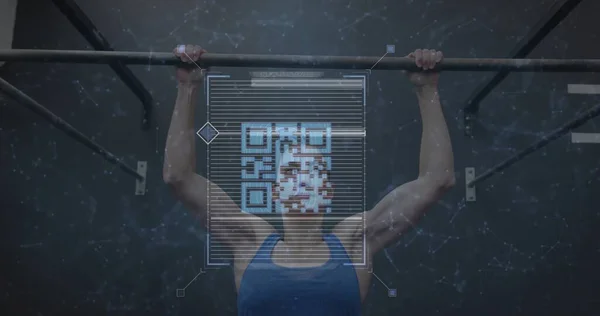
One emerging trend is the use of digital systems to manage fitness equipment efficiently. Solutions like Inventory for Hotel Engineering demonstrate how QR-based asset tracking can improve equipment maintenance, accessibility, and reliability—factors that directly affect workout quality and safety.
This article explores how structured equipment management enhances fitness performance, compares traditional and modern systems, and explains why smart environments are becoming the standard in gyms and wellness facilities.
Why Environment Matters in Fitness
Many people focus on training programs and diet plans but overlook the importance of the physical environment. A well-organized gym improves efficiency, reduces downtime, and creates a more motivating atmosphere.
Key factors include:
- Equipment availability
- Maintenance and safety
- Cleanliness and organization
- Ease of access to tools
Even small inefficiencies—such as broken machines or missing equipment—can disrupt workouts and reduce consistency.
Traditional vs Smart Equipment Management
| Aspect | Traditional Gym | Smart Managed Gym |
|---|---|---|
| Tracking Equipment | Manual logs | Digital QR systems |
| Maintenance | Reactive | Scheduled and predictive |
| Efficiency | Inconsistent | Optimized workflows |
| User Experience | Variable | Reliable and structured |
Smart gyms use digital tools to ensure that equipment is always ready for use and properly maintained.
How QR-Based Systems Improve Fitness Facilities
QR-based inventory systems allow gyms and fitness centers to manage equipment more effectively. Each machine or asset is tagged with a QR code that can be scanned to access detailed information.
These systems enable:
- Instant access to maintenance history
- Real-time tracking of equipment status
- Faster issue reporting
- Improved accountability
Instead of relying on staff memory or paper logs, facilities can maintain accurate, up-to-date records.
Impact on Workout Performance
Reliable equipment directly affects training outcomes. When machines are well-maintained and accessible, users can follow structured workout plans without interruption.
Benefits include:
- Better consistency in training
- Reduced risk of injury
- More efficient workouts
- Improved motivation
A well-managed environment supports long-term progress.
Fitness Facilities in Hotels and Resorts
Hotel gyms present unique challenges. Equipment is used by different guests every day, often with varying levels of experience.
Common issues include:
- Unreported equipment damage
- Irregular maintenance schedules
- Lack of usage tracking
Digital inventory systems help solve these problems by creating structured maintenance workflows.
Comparing Home Gyms vs Professional Facilities
| Feature | Home Gym | Professional Gym |
|---|---|---|
| Equipment Variety | Limited | Extensive |
| Maintenance | Owner responsibility | Managed systems |
| Tracking | None | Digital tools |
| Environment | Flexible | Structured |
Professional environments benefit more from advanced management systems due to scale and usage.
The Future of Fitness Environments
Fitness facilities are becoming increasingly technology-driven. Future developments may include:
- AI-based maintenance prediction
- Automated usage tracking
- Smart equipment integration
- Personalized training environments
These innovations will make gyms more efficient and user-friendly.
Best Practices for Fitness Facility Management
- Implement digital tracking systems
- Schedule regular maintenance
- Train staff to report issues quickly
- Monitor equipment usage patterns
These practices ensure a consistent and high-quality fitness experience.
FAQ
Why is equipment management important in fitness?
It ensures safety, reliability, and consistent training conditions.
What are QR-based systems?
They are digital tools that track and manage equipment using QR codes.
Do these systems improve workouts?
Yes, by reducing downtime and ensuring equipment is always available.
Are smart gyms more effective?
They offer better organization, maintenance, and user experience.
Can small gyms use these systems?
Yes, they are scalable and useful for facilities of all sizes.
Conclusion
Fitness is not only about physical effort—it is also about the environment in which that effort takes place. Well-organized, technologically advanced facilities provide the structure needed for consistent progress.
By adopting modern asset management systems, gyms and fitness centers can improve efficiency, enhance safety, and deliver a better overall experience. As technology continues to evolve, smart environments will become a key factor in achieving long-term fitness success.